

Your grandmother probably knew something modern hair science is just catching up to: that forcing a brush through tangled hair is basically asking for disaster. While we've been reaching for the latest high-tech tools and expensive treatments, some of the most effective detangling methods have been hiding in plain sight for centuries.
These aren't just old wives' tales. Today's hair science proves that ancient wisdom about gentle, patient hair care was right all along. Here are five time-tested techniques that actually protect your strands while getting them smooth and manageable.
The Wide-Tooth Revelation: Why Ancient Combs Beat Modern Brushes
Long before paddle brushes and boar bristles became the norm, people understood that spacing matters. Ancient civilizations carved wide-tooth combs from wood and bone: not because they lacked technology, but because they worked better.
The science is simple: wide-tooth combs distribute tension more evenly across your hair shaft. When you drag a regular brush through tangled hair, those tightly packed bristles create dozens of stress points that snap your strands like guitar strings. A wide-tooth comb, on the other hand, glides through knots with minimal breakage.
The ancient technique: Start at the very ends of your hair, not the roots. Work in small sections, holding your hair close to the scalp to avoid pulling. Move the comb slowly upward, stopping to gently work through any resistance instead of forcing it.
This method takes patience: something our ancestors had more of than we do. But spending an extra five minutes detangling saves you weeks of dealing with broken, damaged hair.
Oil and Water: The Original Leave-In Treatment
Before commercial detanglers existed, people mixed simple ingredients to create slip and protection for their hair. Ancient Egyptian and Indian beauty rituals centered around oils and water-based treatments that made hair supple and manageable.
Modern leave-in conditioners essentially recreate these ancient formulas with synthetic ingredients. But the principle remains the same: never attempt to detangle completely dry hair. Your strands become brittle and prone to snapping when they lack moisture.
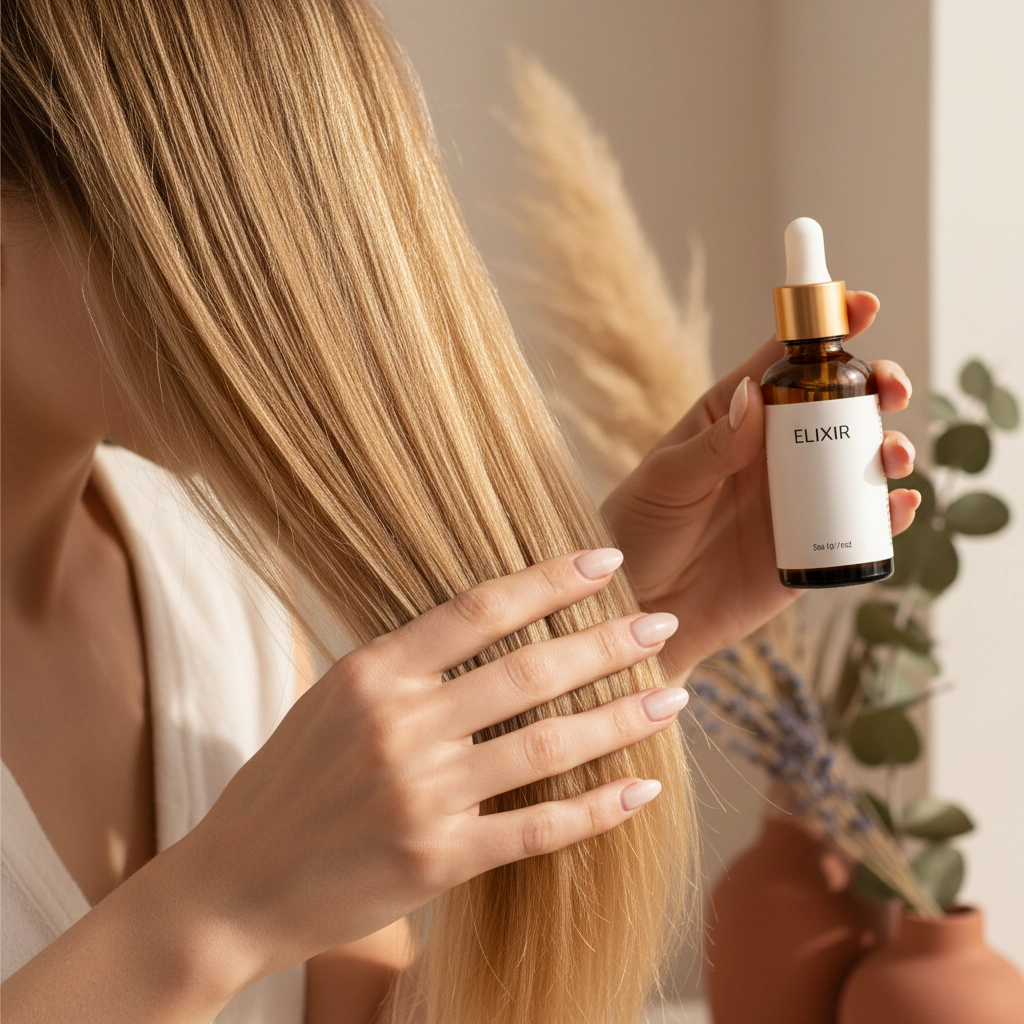
The updated ancient method: After washing, while your hair is still damp, apply a leave-in conditioner or detangling spray. Focus on the mid-lengths and ends where tangles typically form. If you're going the traditional route, a light oil like argan or jojoba mixed with water in a spray bottle works beautifully.
Wait about 30 seconds for the product to penetrate, then begin your gentle combing routine. The slip created by these products allows your comb to glide through knots instead of catching and tearing.
Finger Work: The Gentlest Tool You Already Own
Before metal combs and brushes, fingers were the primary detangling tool: and they're still unmatched for working through serious tangles. Your fingertips can feel exactly how much pressure to apply and when to stop before causing damage.
This technique is particularly valuable for textured hair types that form complex knot patterns. Ancient cultures with naturally curly and coily hair developed finger-detangling into an art form, understanding that each curl needs individual attention.
The finger detangling process: Work on slightly damp hair with some slip product. Starting at the ends, gently pull apart larger tangles with your fingers before reaching for any tools. You can feel exactly when a knot is ready to release versus when it needs more coaxing.
This method requires time and patience, but it results in significantly less breakage than aggressive brushing. Think of it as meditation for your hair care routine: slow, mindful, and ultimately more effective.
The Power of Moisture: Ancient Hydration Wisdom
Water has always been recognized as essential for healthy hair, but ancient cultures understood something we've forgotten: the right amount of moisture transforms difficult hair into cooperative hair.
Completely dry hair is fragile and static-prone. Soaking wet hair is also vulnerable because the shaft swells and becomes more elastic. The sweet spot: lightly damp hair: provides the perfect conditions for safe detangling.
The moisture method: If your hair has dried since washing, lightly mist it with plain water or a diluted conditioner mixture. You want the hair to feel soft and pliable, not wet or dry. This technique works especially well for morning touch-ups when you're dealing with overnight tangles.
Ancient cultures often used plant-based sprays made from aloe vera, rose water, or herb infusions. These natural mists provided both moisture and nourishing compounds that modern science has proven beneficial for hair health.
Night Protection: Prevention Over Correction
Perhaps the most valuable ancient secret isn't about detangling at all: it's about preventing tangles in the first place. Cultures with long hair traditions developed elaborate nighttime routines that kept hair smooth and protected while sleeping.
The modern approach of sleeping with loose hair creates the perfect storm for tangling. As you move during sleep, your hair rubs against pillowcases, twists around itself, and forms complex knots that require aggressive detangling in the morning.
Ancient prevention techniques:
- Loose braids that keep hair contained without creating tension
- Silk or satin wrapping that reduces friction
- Elevated sleeping positions that minimize hair contact with bedding
- Oil treatments that create protective barriers
The simple act of braiding your hair before bed eliminates about 80% of tangles while giving you beautiful waves as a bonus. Use a silk scrunchie instead of elastic bands to avoid creating pressure points that lead to breakage.
Modern Tools Meet Ancient Wisdom
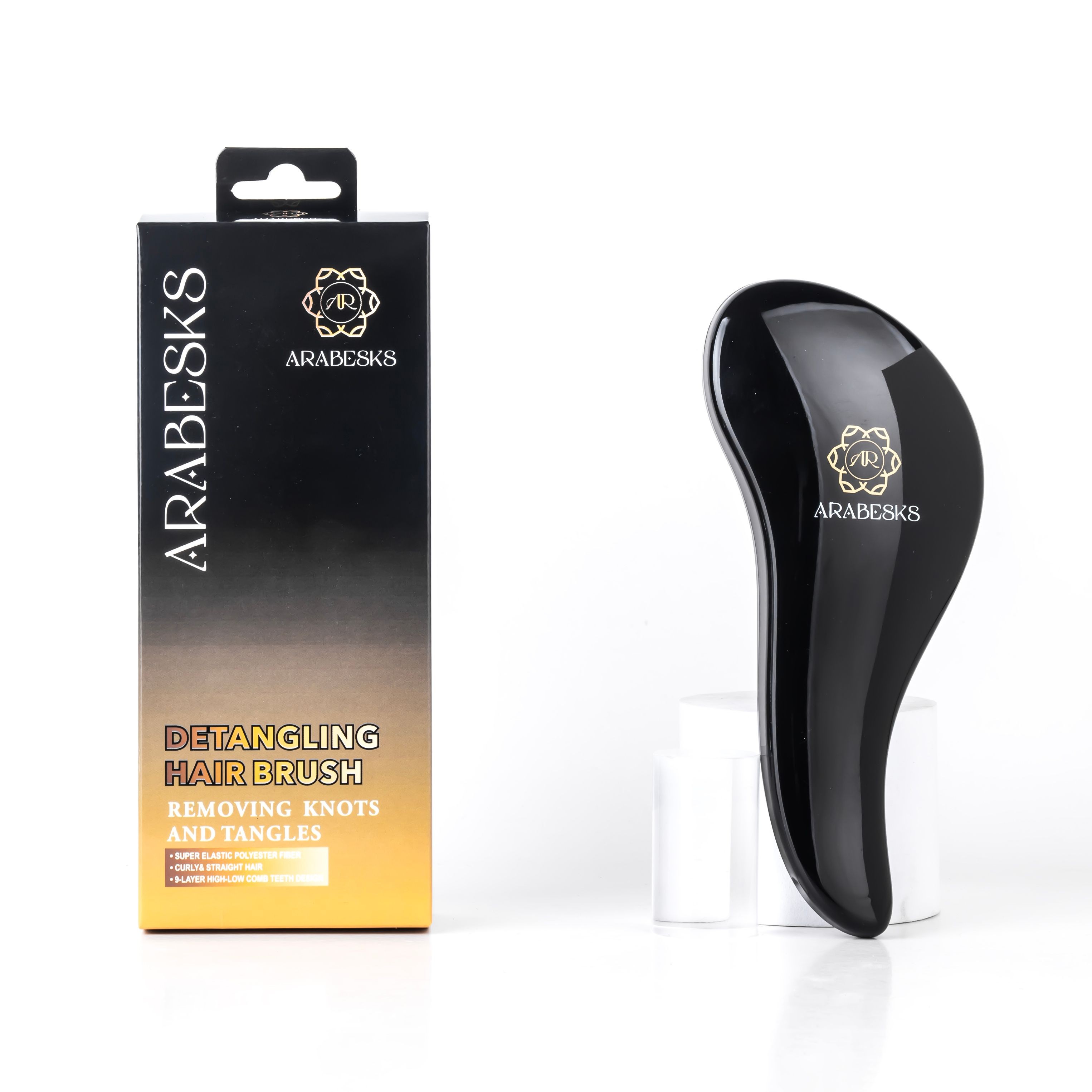
While the principles remain the same, today's tools can make ancient techniques even more effective. A high-quality detangling brush designed with flexible bristles mimics the gentle approach of finger detangling while covering more area efficiently.
The ARABESKS Detangling Brush combines traditional wisdom with modern engineering. Its multi-level comb teeth design works through knots without the harsh pulling of conventional brushes, while the ergonomic handle reduces hand fatigue during longer detangling sessions.
What makes this approach revolutionary is its gentleness. Traditional brushing can remove hundreds of hairs during a single session. These ancient-inspired techniques typically result in minimal hair loss while achieving better results.

The Science Behind Ancient Success
Recent hair research validates what people discovered through trial and error centuries ago. Studies show that wet combing with wide-tooth tools results in 50% less breakage than brushing dry hair. The mechanical stress of aggressive detangling literally shears the hair shaft, creating the split ends and breakage we spend fortunes trying to repair.
Ancient cultures understood intuitively that hair is stronger in some states than others. Modern trichology proves that the hair cuticle: the outer protective layer: lies flatter when hair is properly moisturized, creating a smoother surface that resists tangling.
The keratin proteins that make up your hair shaft become more pliable when hydrated, allowing gentle manipulation without structural damage. This is why water and oil have been haircare staples across cultures and centuries.
Putting It All Together: Your Ancient-Modern Routine
Combining these five principles creates a detangling routine that's both effective and protective:
- Prepare: Ensure hair has appropriate moisture: damp but not soaking
- Protect: Apply a slip product (modern detangler or traditional oil)
- Process: Use fingers for major tangles, then a wide-tooth comb for smoothing
- Prevent: Establish nighttime protection routines
- Progress: Work from ends to roots, taking your time
This approach might take longer than aggressive brushing, but it prevents the damage that requires expensive treatments and lengthy recovery periods. Your hair stays stronger, grows longer, and looks healthier over time.
The beauty of these ancient secrets lies in their simplicity and effectiveness. No expensive gadgets, no complex chemical formulations: just patient, gentle care that works with your hair's natural properties instead of fighting against them.
In our rush to find the next breakthrough treatment, we've overlooked techniques that have been proven effective for millennia. Sometimes the best innovations are really rediscoveries of wisdom we never should have forgotten.