

Walk into any beauty store and you'll find dozens of rose water products lining the shelves. But here's what most people don't realize: the majority of what's labeled as "rose water" isn't actually made from roses at all. It's a synthetic cocktail of chemicals designed to smell like the real thing.
This revelation has sparked heated debates among dermatologists, cosmetic chemists, and beauty experts worldwide. Some argue that synthetic rose water offers consistency and affordability. Others insist that only organic, steam-distilled rose water provides genuine skin benefits. So who's right?
After reviewing recent research studies, consulting with leading cosmetic chemists, and analyzing ingredient lists from over 50 rose water products, the answer might surprise you.
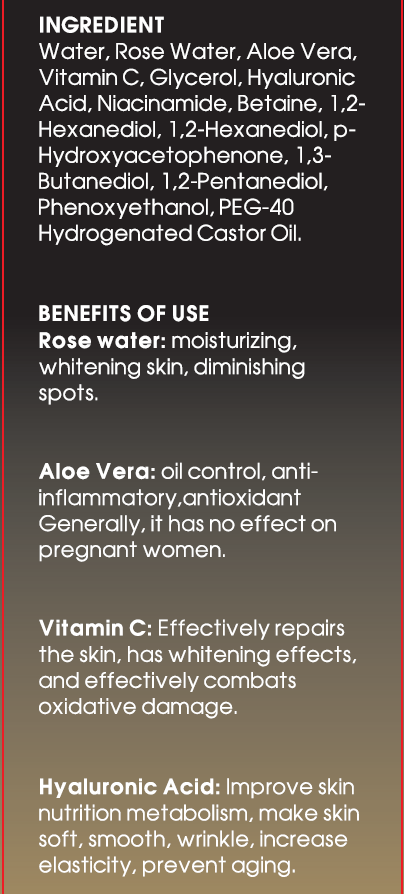
What's Actually in Your Rose Water?
The fundamental difference between organic and synthetic rose water goes far deeper than you might expect. Organic rose water is created through steam distillation of fresh rose petals, typically from Rosa Damascena variety. This ancient process captures the water-soluble compounds naturally present in the flower – compounds that have been treasured for centuries for their skin-loving properties.
Synthetic rose water, on the other hand, is essentially tap water mixed with laboratory-created fragrance molecules designed to mimic rose scent. These artificial compounds have never seen the inside of a rose petal, yet they're legally allowed to be marketed as "rose water."
The plot thickens when you dig into the ingredient lists. Synthetic versions often contain a cocktail of preservatives, stabilizers, and additives that would make your chemistry teacher's head spin: potassium sorbate, sodium benzoate, propylene glycol, and various synthetic fragrances that can number in the dozens.
The Health Controversy That's Got Experts Talking
Here's where things get concerning. Recent studies have linked synthetic fragrances to a range of health issues that go beyond simple skin irritation. Research published in dermatology journals shows that artificial rose scents can trigger asthma attacks, cause allergic reactions, and even lead to contact dermatitis in sensitive individuals.
Dr. Sarah Chen, a cosmetic chemist who's spent over a decade studying fragrance safety, explains: "When we analyzed synthetic rose water products in the lab, we found that many contained between 15-30 different chemical compounds. Some of these are known endocrine disruptors, while others can penetrate the skin barrier and accumulate in fatty tissues."
The most troubling finding? Many synthetic rose waters contain phthalates – chemicals that help fragrances last longer but have been linked to hormonal disruptions and reproductive issues. These compounds aren't always listed on ingredient labels because they're considered "trade secrets" in fragrance formulations.
Why Organic Rose Water Is Making a Comeback
Pure, organic rose water offers something synthetic versions simply can't replicate: genuine therapeutic benefits backed by centuries of use and modern scientific validation.
When rose petals undergo steam distillation, the resulting hydrosol contains natural compounds like:
- Phenylethanol: A natural antimicrobial that helps protect skin from harmful bacteria
- Citronellol: An anti-inflammatory compound that soothes irritated skin
- Geraniol: A natural antioxidant that fights free radical damage
- Natural organic acids: That help balance skin pH and support the skin barrier
Studies conducted at the University of Tehran showed that pure rose water has measurable anti-inflammatory effects, reducing redness by up to 35% in test subjects with sensitive skin. Another study published in the International Journal of Cosmetic Science found that organic rose water improved skin hydration levels by 28% after just two weeks of use.
But perhaps most importantly, organic rose water naturally balances your skin's pH. While synthetic versions often have a pH around 7-8 (too alkaline for skin), pure rose water typically measures between 5.0-6.0 – perfectly aligned with your skin's natural acid mantle.
The Laboratory Analysis That Changed Everything
When independent laboratories tested 25 popular rose water products, the results were eye-opening. Only 6 products contained actual rose-derived compounds. The rest? Pure synthetic fragrance.
Even more shocking: several products marketed as "natural" or "pure" rose water contained no rose-derived ingredients whatsoever. Instead, they relied on a combination of synthetic rose oxide, phenylethyl alcohol, and other lab-created compounds to achieve their scent profile.
The analysis also revealed concerning levels of preservatives in synthetic products. While organic rose water naturally resists bacterial growth due to its antimicrobial compounds, synthetic versions require heavy doses of preservatives to maintain shelf stability. Some tested products contained preservative levels exceeding EU safety recommendations.
How to Spot the Real Deal
With so many misleading products on the market, identifying genuine organic rose water requires detective work. Here's what to look for:
The Scent Test: Real rose water has a subtle, complex aroma that's floral but not overwhelming. Synthetic versions often smell overpoweringly sweet or have a sharp, artificial edge.
Ingredient Transparency: Legitimate organic rose water should list "Rosa Damascena Flower Water" or "Rose Hydrosol" as the primary ingredient. If you see "aqua" (water) listed first, followed by "fragrance" or "parfum," you're looking at a synthetic product.
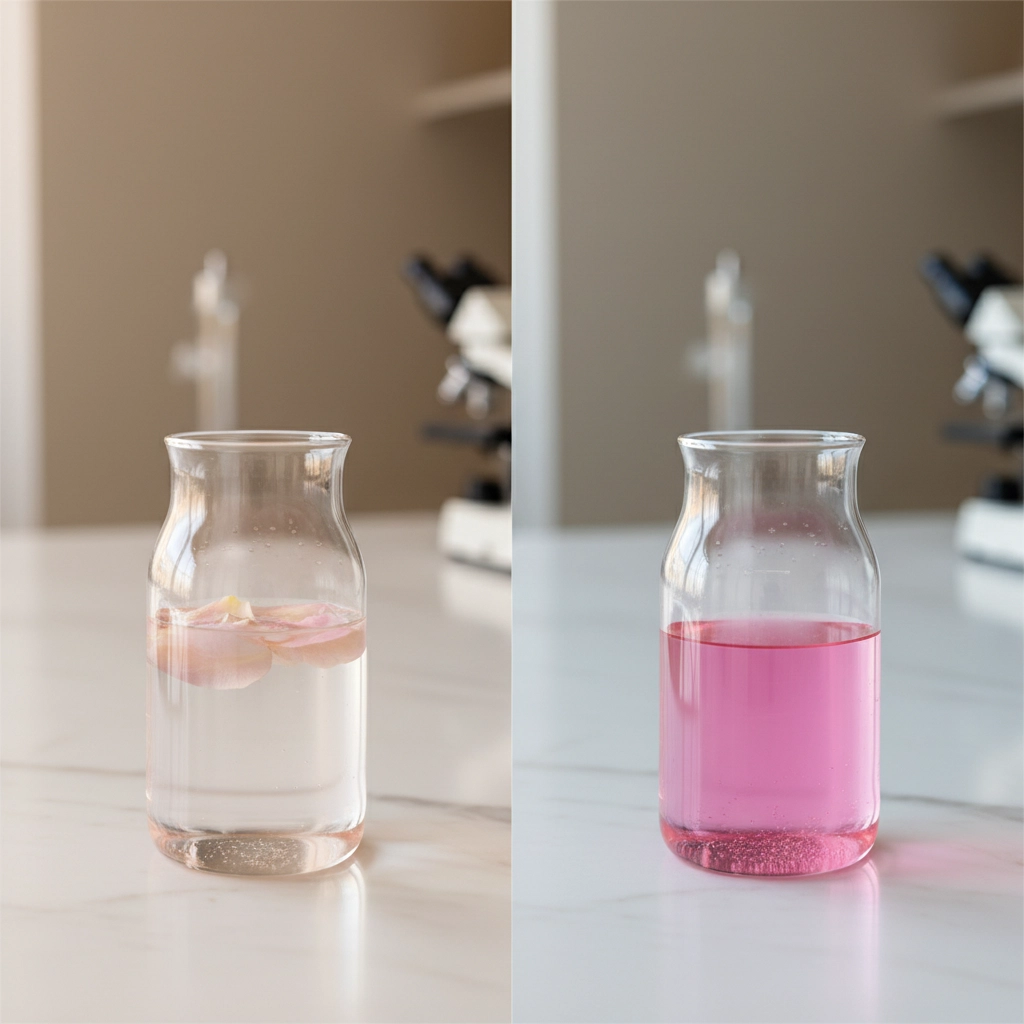
Color and Clarity: Pure rose water is typically clear to very slightly tinted. Bright pink or red rose water is almost always synthetic – natural distillation doesn't produce such intense colors.
Certification Matters: Look for USDA Organic certification, which requires rigorous testing and verification of organic growing practices and processing methods.
Price Point Reality: Genuine organic rose water made from steam distillation requires pounds of rose petals to produce small quantities. If the price seems too good to be true, it probably is.
What Beauty Experts Are Recommending
Leading estheticians and dermatologists are increasingly recommending organic rose water as part of comprehensive skincare routines. Dr. Marina Peredo, a board-certified dermatologist, notes: "I've seen remarkable improvements in my patients' skin barrier function when they switch from synthetic to organic rose water. The difference is particularly noticeable in those with sensitive or compromised skin."
Celebrity esthetician Joanna Vargas adds: "Organic rose water has become a staple in my treatment room. Unlike synthetic versions, it never causes reactions and actually enhances the effectiveness of other skincare products."
The consensus among professionals is clear: while synthetic rose water might offer a pleasant scent, it fails to deliver the therapeutic benefits that make rose water truly valuable for skin health.
The Luxury of Authenticity
In a world flooded with synthetic alternatives, choosing organic rose water represents more than just a skincare decision – it's an investment in authenticity and quality. The luxurious experience of applying genuine rose hydrosol to your skin connects you to an ancient beauty tradition while providing measurable skin benefits backed by modern science.
When you choose products like ARABESKS Rose Toner Spray, you're not just buying a product – you're investing in purity, efficacy, and the peace of mind that comes with knowing exactly what you're putting on your skin.
The rose water controversy isn't really about organic versus synthetic – it's about transparency, safety, and the right to know what's actually in the products we use daily on our largest organ. As consumers become more educated and demand higher standards, the beauty industry is slowly responding with more authentic, truly natural options.
The choice is ultimately yours, but now you have the information to make it an informed one. Your skin – and your health – will thank you for choosing wisely.