

Dermaplaning has become the holy grail of at-home skincare treatments, promising baby-soft skin and that coveted post-facial glow. But here's the thing: while this technique can deliver incredible results, most people are making critical mistakes that not only diminish the benefits but can actually damage their skin.
If you've tried dermaplaning at home and didn't get the smooth, radiant results you were expecting (or worse, ended up with irritation and bumps), you're probably making one of these seven common mistakes. The good news? They're all completely fixable.
Mistake #1: Skipping Proper Skin Preparation
The biggest mistake people make with dermaplaning is jumping straight into the treatment without properly prepping their skin. We get it: you're excited to see results, but this step is non-negotiable.
Many people attempt to dermaplane over makeup, sunscreen, or even just daily oil buildup. This prevents the blade from gliding smoothly and can actually push bacteria deeper into your pores, leading to breakouts and potential infections.
How to fix it: Always start with a thorough double cleanse. Use an oil-based cleanser first to remove makeup and sunscreen, followed by a gentle water-based cleanser to eliminate any remaining residue. Your skin needs to be completely clean and dry before you even think about picking up that blade.
Also, never dermaplane over inflamed or irritated skin. If you have active breakouts, eczema, or any other skin concerns, wait until your skin calms down. Dermaplaning over compromised skin will only make things worse.
Mistake #2: Using Incorrect Technique
This is where most people go wrong, and it's actually three mistakes rolled into one: wrong angle, too much pressure, and incorrect blade movement.
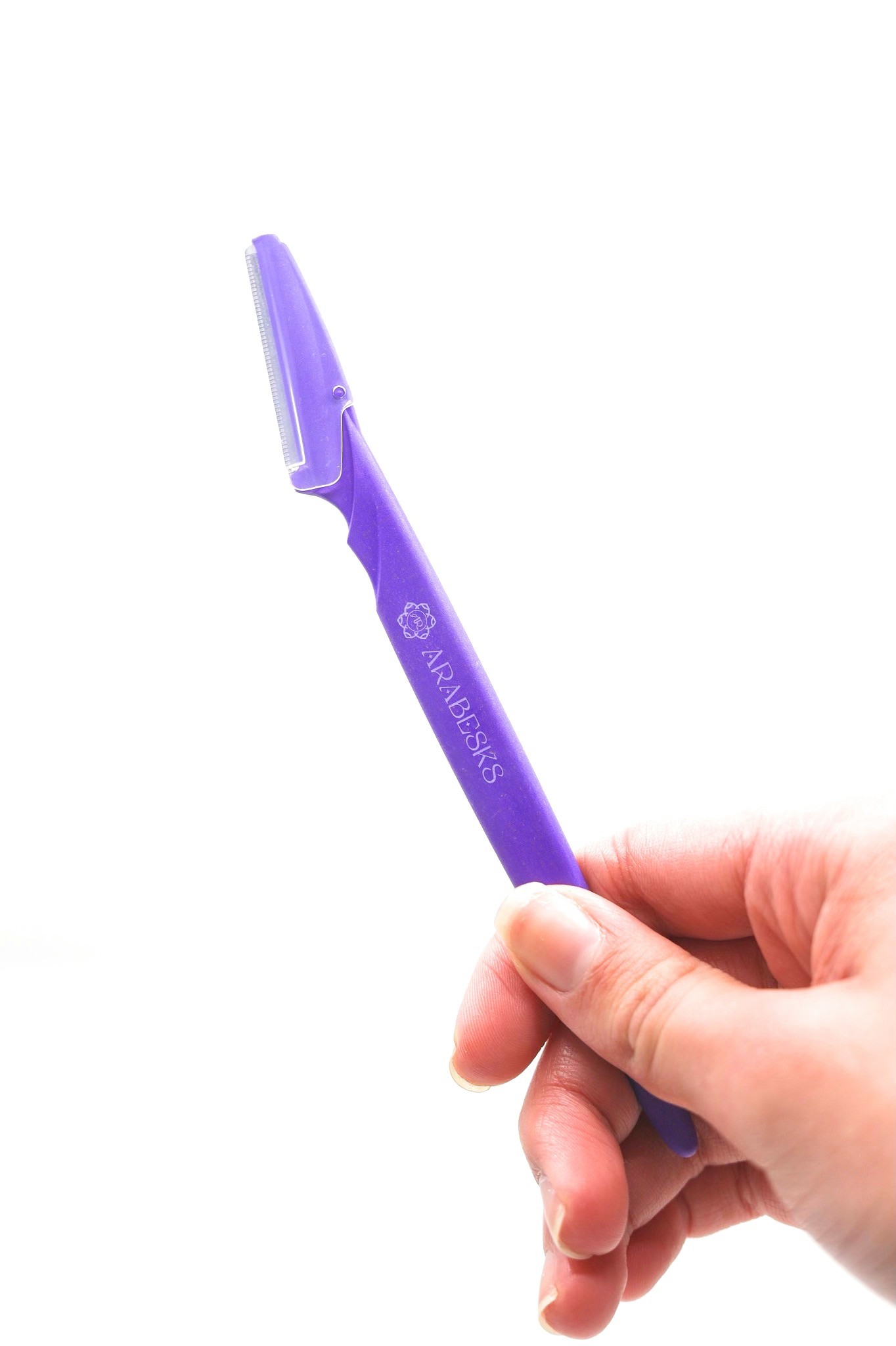
The angle mistake: Most people hold the blade either too flat or too steep against their skin. The magic number is 45 degrees: this allows the blade to effectively remove dead skin cells and peach fuzz without digging into your skin.
The pressure mistake: Here's a counterintuitive truth: more pressure doesn't equal better results. In fact, pressing hard against your skin is one of the fastest ways to cause micro-cuts, irritation, and potential scarring.
The direction mistake: Moving the blade upward against the direction of hair growth might seem logical, but it's actually causing ingrown hairs and irritation.
How to fix it: Master the trifecta of proper technique:
- Hold your dermaplaning tool at exactly 45 degrees to your skin
- Use light, feathery strokes: let the blade do the work, not your hand
- Always move the blade downward, following the natural direction of your facial hair growth
Think of it like shaving: you wouldn't press a razor hard against your skin or move it against the grain, and the same principles apply here.
Mistake #3: Not Holding Your Skin Taut
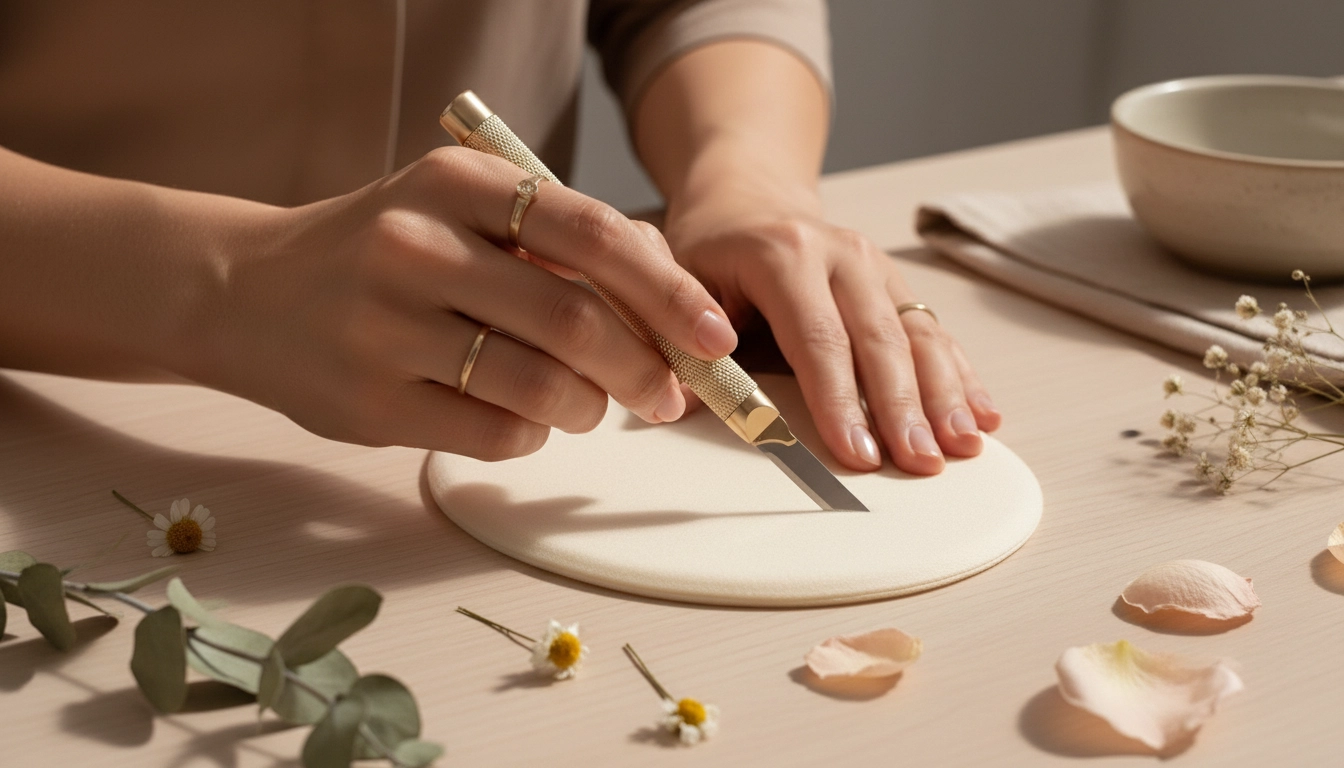
This mistake is responsible for most dermaplaning accidents. When your skin isn't properly stretched, the blade can slip, dig in, or create uneven results. It's like trying to shave a wrinkled piece of paper: it just doesn't work.
How to fix it: Use your non-dominant hand to gently stretch and hold your skin taut while dermaplaning with your other hand. Work in small sections across your face, repositioning your hands as needed. This creates a smooth, even surface for the blade to glide across and dramatically reduces your risk of cuts or nicks.
Start with your forehead, then move to your cheeks, chin, and finally the delicate areas around your nose and upper lip. The key is maintaining that tension throughout each stroke.
Mistake #4: Using Dull or Non-Sterile Tools
Using a dull blade is like trying to cut vegetables with a butter knife: it's going to drag, pull, and potentially cause damage. Dull blades don't glide smoothly across your skin; instead, they catch and tug, leading to irritation and those dreaded bumps that can last for weeks.
Even worse is using non-sterile tools. Your face isn't the place to cut corners on cleanliness: using dirty or contaminated tools can introduce bacteria and cause serious infections.
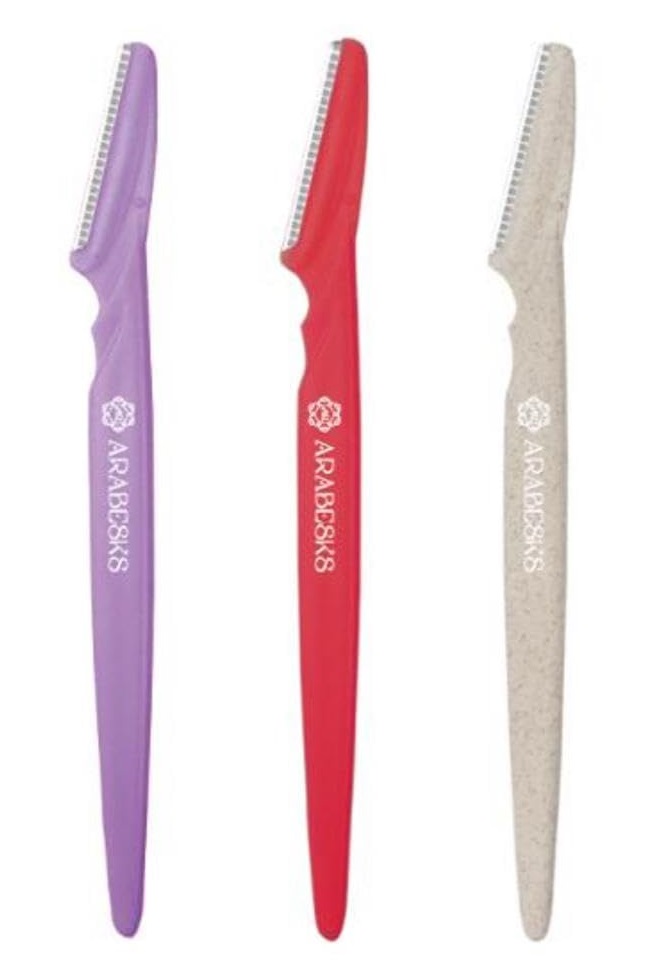
How to fix it: Invest in high-quality, sharp dermaplaning tools and replace the blades regularly. Each blade should only be used once or twice maximum before disposal. Always ensure your tools are properly sanitized before use: a quick wipe with rubbing alcohol does the trick.
Look for dermaplaning tools designed specifically for facial use, like the ARABESKS Dermaplaning Tool, which features precision stainless steel blades and ergonomic handles designed for safe, effective at-home use.
Mistake #5: Using Harsh Products Immediately After
Your skin just had its entire top layer gently removed: it's basically a newborn baby right now, tender and sensitive to everything. Yet many people immediately slather on retinol, vitamin C serums, or exfoliating acids, thinking they're maximizing their skincare routine.
This is like putting hot sauce on a burn. Your freshly dermaplaned skin can't handle active ingredients, and using them will cause severe irritation, redness, and potentially undo all the benefits of your treatment.
How to fix it: For at least 48-72 hours after dermaplaning, stick to the gentlest products in your arsenal. Think fragrance-free moisturizers, hyaluronic acid serums, and soothing ingredients like aloe vera.
Skip the retinol, acids, vitamin C, and any products that typically make your skin tingle. Your skin barrier has been temporarily compromised, and it needs time to rebuild itself. Gentle hydration is your best friend during this recovery period.

Mistake #6: Forgetting Sun Protection
This mistake can literally undo all your hard work in a single day. After dermaplaning, your skin is incredibly vulnerable to UV damage because you've removed its protective outer layer. Going outside without proper sun protection can lead to dark spots, hyperpigmentation, and severe irritation.
How to fix it: Sunscreen isn't optional after dermaplaning: it's mandatory. Apply broad-spectrum SPF 30 or higher every single day, even if you're staying indoors (UV rays come through windows too). Reapply throughout the day, and consider wearing a wide-brimmed hat when you're outside.
For the first week after dermaplaning, try to minimize direct sun exposure as much as possible. Your skin needs time to rebuild its natural protective barrier, and during this vulnerable period, even brief sun exposure can cause lasting damage.
Mistake #7: Over-Touching and Continuing to Exfoliate
After dermaplaning, many people can't resist touching their newly smooth skin: we totally get it, the results feel amazing! But constantly touching your face introduces bacteria and can cause infections or breakouts.
Even worse is the temptation to continue exfoliating. Some people think that since dermaplaning worked so well, adding a scrub or exfoliating cleanser will make the results even better. This is a recipe for disaster.
How to fix it: Hands off! Resist the urge to touch your face, no matter how smooth it feels. Your skin needs time to heal, and introducing bacteria from your hands can cause serious problems.
Also, put away all your exfoliating products for at least a week. No scrubs, no exfoliating cleansers, no brushes: just gentle, fragrance-free cleansing. Your skin has already been exfoliated to perfection; now it needs to recover.
Instead, focus on hydration and protection. Use a gentle cleanser, apply hydrating serums, moisturize religiously, and don't forget that sunscreen.

The Recovery Protocol
If you've made any of these mistakes and are dealing with irritation, here's your recovery game plan:
- Stop everything harsh: No actives, no exfoliation, no fragranced products
- Gentle cleansing only: Use a mild, fragrance-free cleanser
- Hydrate like crazy: Apply hydrating serums and a good moisturizer
- Soothing ingredients: Aloe vera, ceramides, and hyaluronic acid are your friends
- Sun protection: SPF is non-negotiable
- Give it time: Most irritation resolves within 3-5 days with proper care
Professional vs. At-Home: Making the Right Choice
While these tips can help you avoid the most common dermaplaning mistakes, it's worth noting that professionals consistently recommend getting this treatment done by a certified esthetician rather than attempting it at home. They have the training, sterile environment, and expertise to deliver optimal results safely.
If you do choose to dermaplane at home, invest in quality tools, take your time, and never rush the process. Your skin deserves the care and attention that comes with doing things properly.
Remember, dermaplaning isn't a race: it's about revealing your skin's natural radiance safely and effectively. Avoid these seven mistakes, follow proper technique, and you'll be well on your way to achieving that coveted post-facial glow from the comfort of your own home.
For more beauty tips and skincare guidance, check out our Beauty Journal where we share expert insights on achieving radiant, healthy skin with luxury skincare that honors both Eastern beauty traditions and modern innovation.