

Detangling seems simple enough, right? Just run a brush through your hair and you're done. But if you've ever wondered why your hair feels damaged, looks frizzy, or breaks more than it should, the culprit might be hiding in your detangling routine. Even the most well-intentioned hair care habits can backfire when you're making these common mistakes.
Whether you're dealing with fine straight strands or thick coily curls, the wrong detangling approach can undo all your other hair care efforts. Let's dive into the seven biggest detangling mistakes that could be sabotaging your hair health: and more importantly, how to fix them for your specific hair type.
Mistake #1: Detangling Bone-Dry Hair
Here's the thing about dry hair: it's basically begging to snap. When your strands lack moisture, they become brittle and incredibly vulnerable to breakage. Yet so many people grab their brush first thing in the morning and go to town on completely dry hair.
Why This Damages Your Hair: Dry hair creates maximum friction between your brush and strands. Without any slip or moisture to help knots glide apart, you're essentially forcing tangles through your hair shaft, causing micro-tears, split ends, and unnecessary breakage.
The Luxurious Fix: Always work with damp or properly conditioned hair. Before detangling, mist your hair with a high-quality leave-in conditioner or detangling spray. For the ultimate experience, detangle in the shower after applying a rich conditioner: your hair will be saturated with moisture and slip, making the process effortless.
For Your Hair Type:
- Fine/Straight Hair: Use a lightweight detangling mist to avoid weighing down your strands
- Wavy Hair: Opt for cream-based leave-ins that enhance your natural texture
- Curly/Coily Hair: This is non-negotiable for you: never detangle dry. Use generous amounts of conditioner or detangling cream
Mistake #2: Using the Wrong Tools for Your Hair
Not all brushes and combs are created equal, and using the wrong tool is like trying to eat soup with a fork: technically possible, but messy and ineffective.
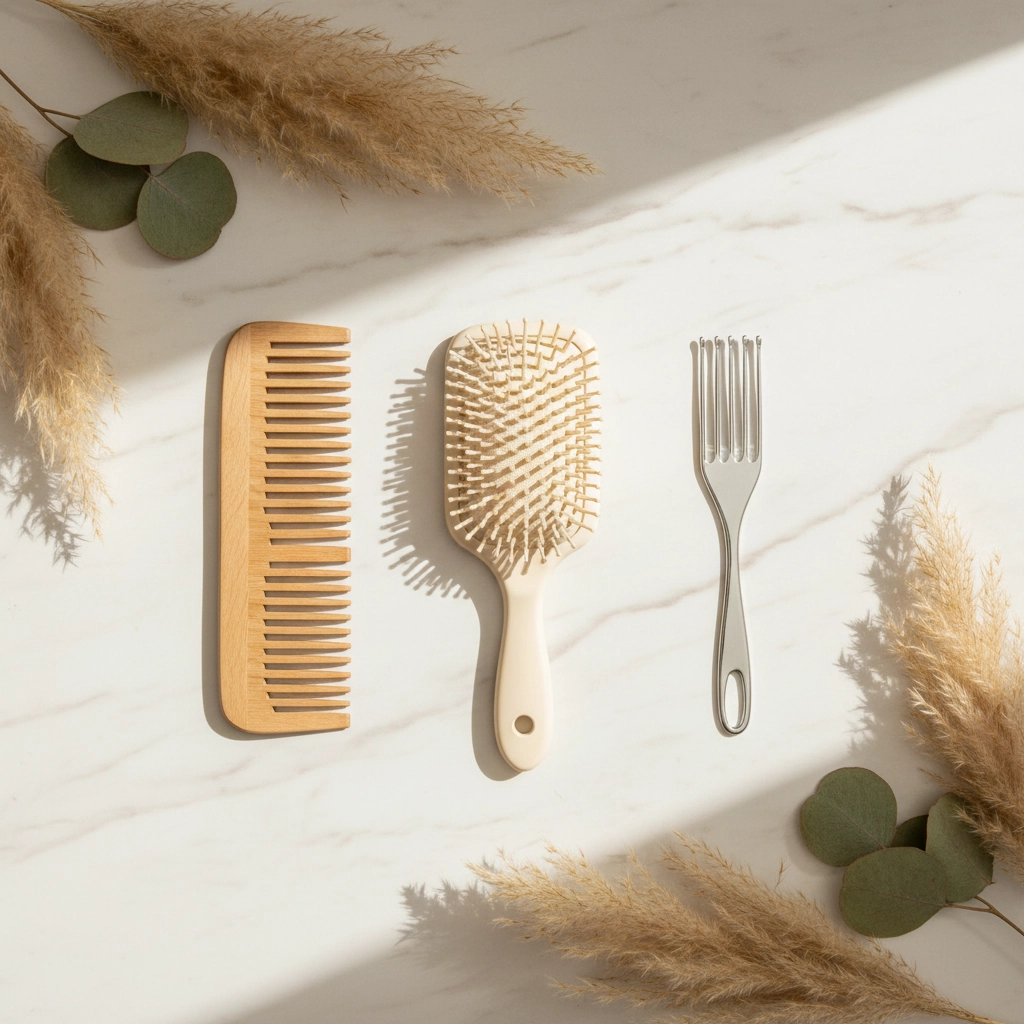
Fine-tooth combs and regular hairbrushes can wreak havoc on textured hair, while the wrong detangling tool can leave even straight hair damaged and frizzy. Your hair deserves better than a one-size-fits-all approach.
Why Generic Tools Fail: Standard brushes with tightly packed bristles can snag delicate strands, while fine-tooth combs create too much tension for curly or thick hair. These tools weren't designed with your hair's unique needs in mind.
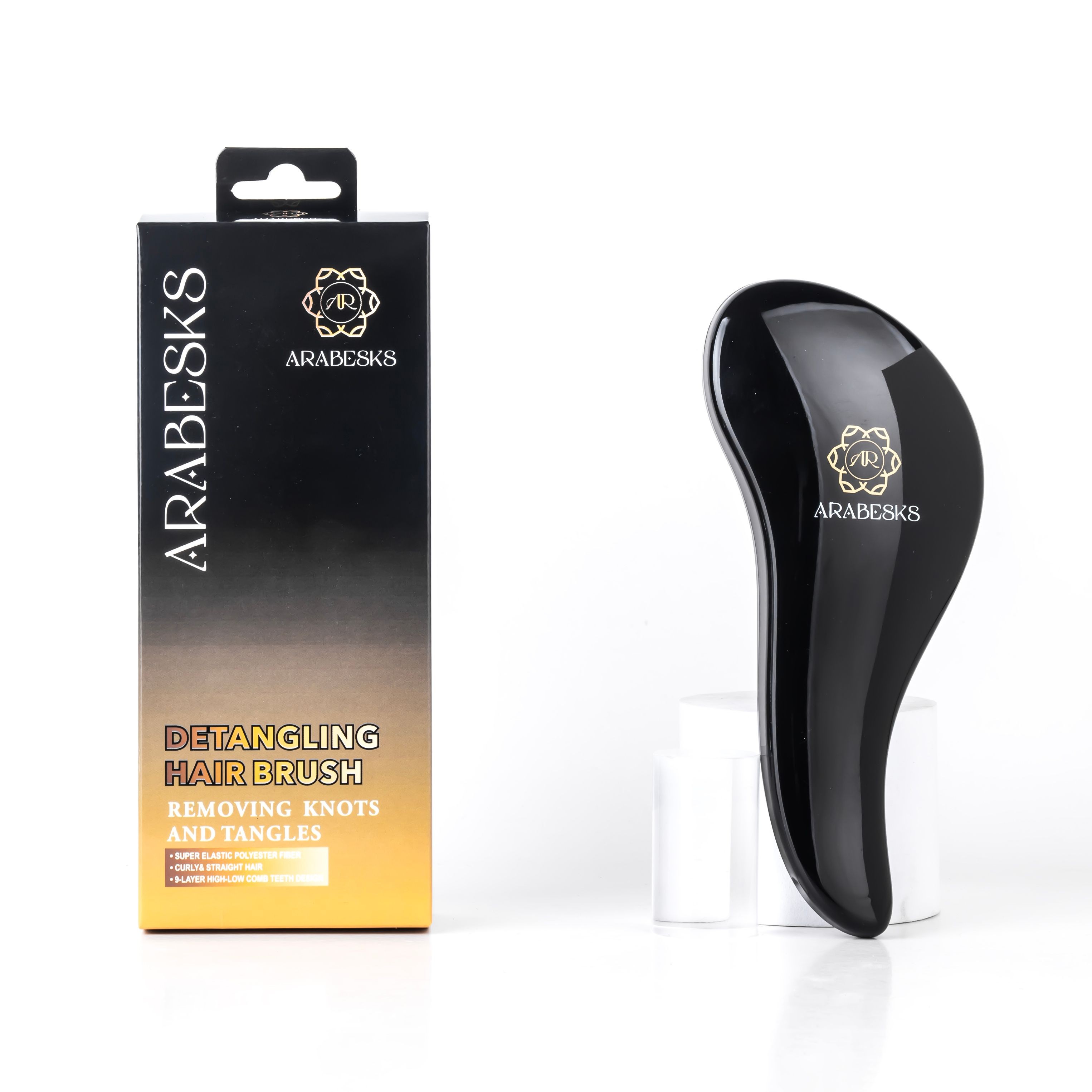
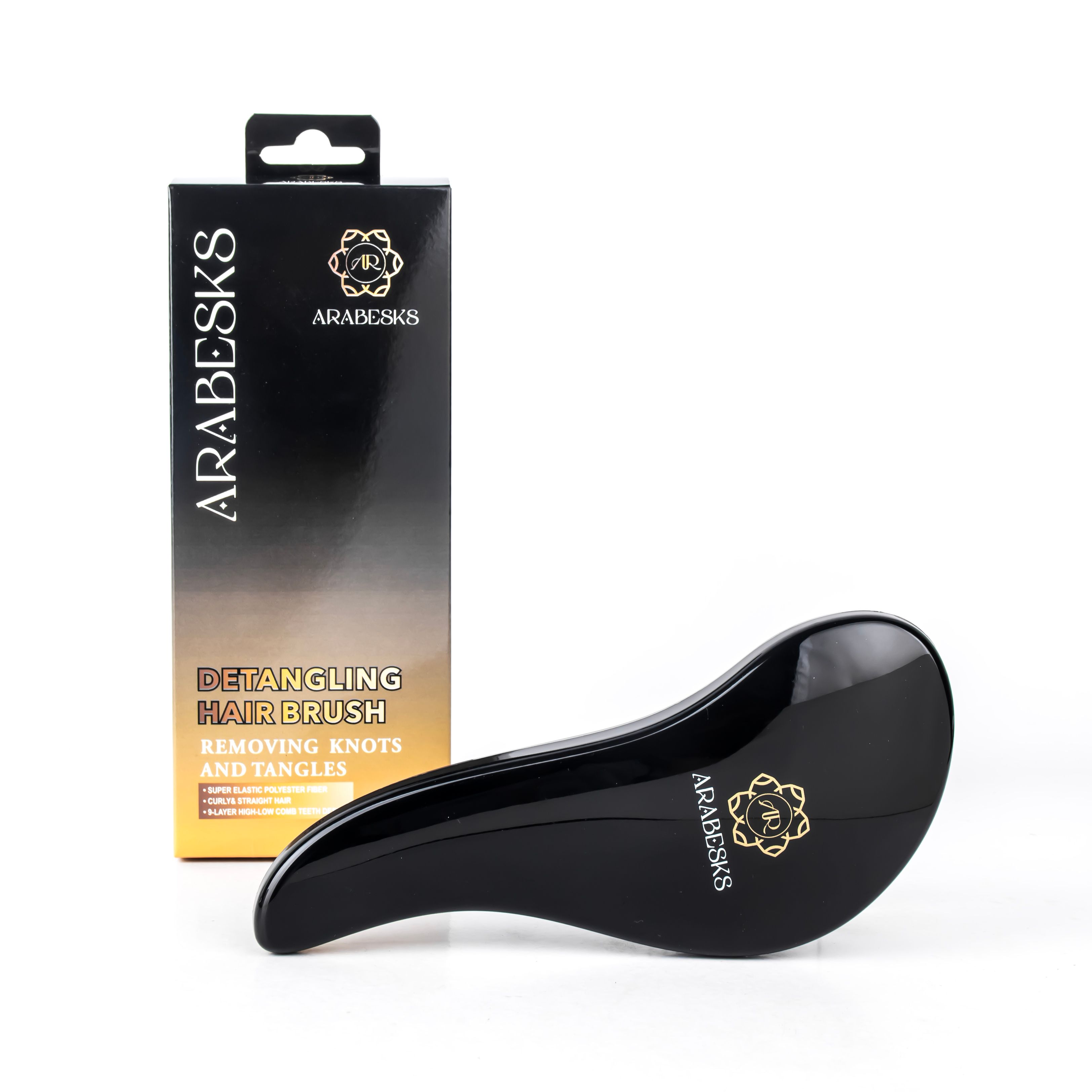
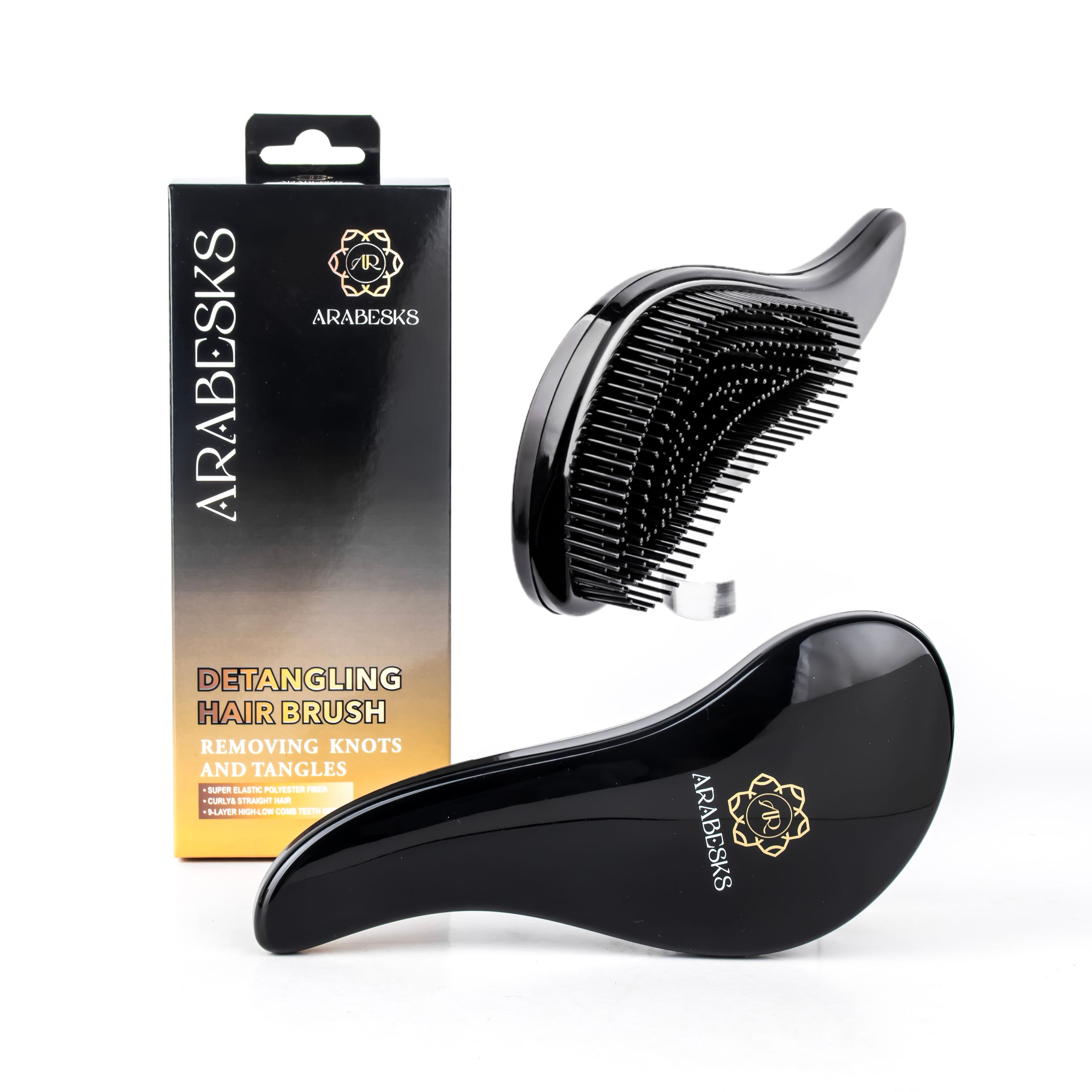
The Luxurious Fix: Invest in tools specifically engineered for your hair type. Wide-tooth combs are essential for curly and textured hair, while specialized detangling brushes with flexible bristles work wonders for all textures.
For Your Hair Type:
- Fine Hair: Use a brush with soft, widely-spaced bristles to prevent pulling
- Thick/Curly Hair: Wide-tooth combs or detangling brushes with flexible pins are your best friends
- Damaged Hair: Look for brushes specifically designed for fragile strands with extra-soft bristles
Mistake #3: Aggressive Detangling (The Rip-and-Tear Method)
We've all been there: running late, encountering a stubborn knot, and deciding to power through it with brute force. But aggressive detangling is one of the fastest ways to damage your hair.
Why Force Fails: Pulling aggressively through tangles doesn't actually remove them efficiently: it often just moves them further down the hair shaft while causing breakage along the way. Your hair should never hurt during detangling.
The Luxurious Fix: Patience is your secret weapon. Work gently through knots using small sections, holding the hair near the root to prevent unnecessary tension. Think of it as a meditative process rather than a chore.
For Your Hair Type:
- All Hair Types: Gentle is always better, but this is especially crucial for chemically-treated or naturally fragile hair
- Curly Hair: Take extra time: your curl pattern makes you more prone to breakage from rough handling
Mistake #4: Starting from the Wrong End
Most people instinctively start detangling at the roots and work their way down. It seems logical, but it's actually backward and can push tangles deeper into your hair.
Why Top-Down Fails: Starting at the roots forces any tangles to compress toward the ends, making them tighter and harder to remove. You end up working against yourself and creating more frustration.
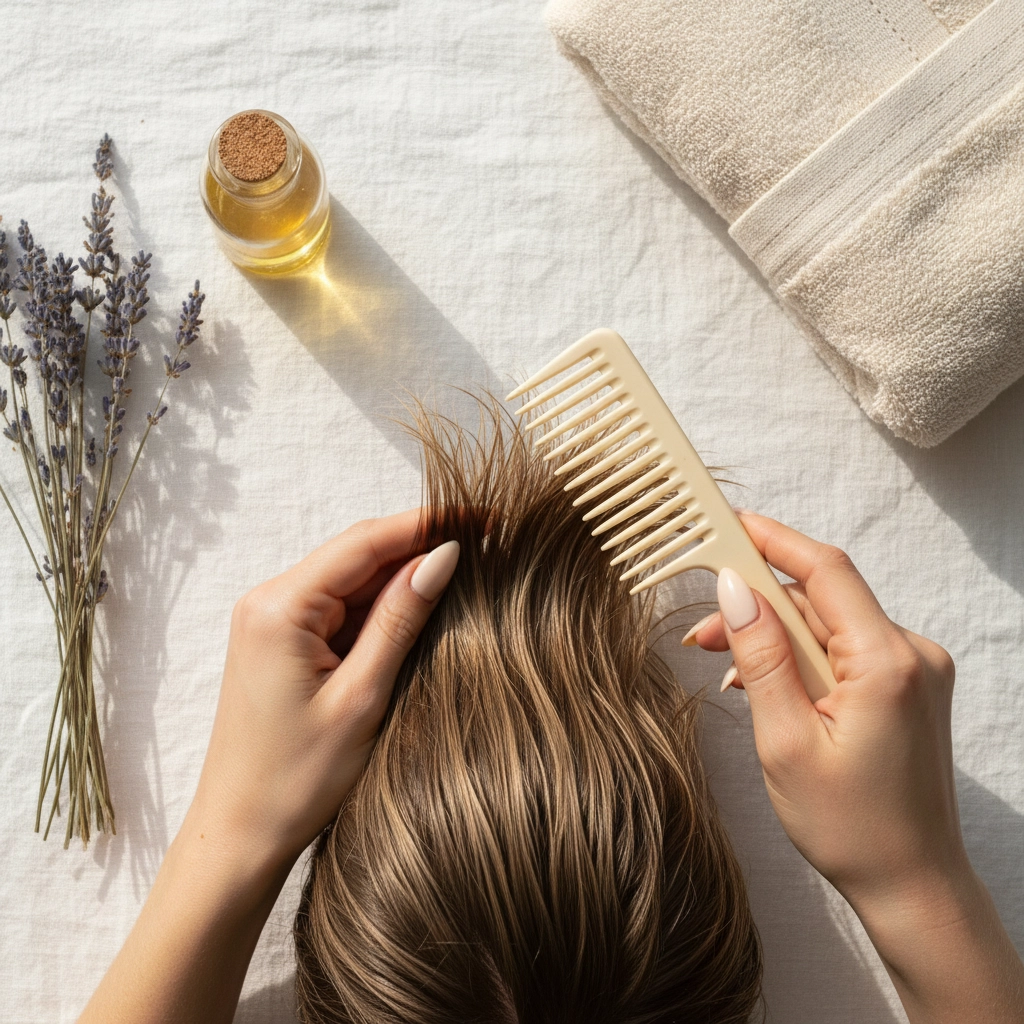
The Luxurious Fix: Always start at the ends and work your way up to the roots. Once the bottom section is smooth, move your brush or comb up to the next section, gradually working your way to the crown of your head.
For Your Hair Type:
- Long Hair: This technique is especially important: divide your hair into sections to make the process more manageable
- All Textures: This bottom-up approach works universally but is particularly crucial for preventing breakage in delicate hair
Mistake #5: Skipping Pre-Detangling Prep
Jumping straight into detangling without any preparation is like trying to iron a wrinkled shirt without steam: you'll get results, but at what cost?
Why Prep Matters: Hair that's properly prepared with pre-detangling treatments has significantly more slip, making knots easier to work through without damage.
The Luxurious Fix: Apply a pre-detangling treatment before reaching for your brush. This could be a lightweight oil, a specialized detangling serum, or even just a high-quality leave-in conditioner. Give it a moment to penetrate your strands before beginning.
For Your Hair Type:
- Fine Hair: Use lightweight oils like argan or jojoba to avoid heaviness
- Thick/Coily Hair: You can handle richer treatments like shea butter-based products
- Damaged Hair: Look for protein-free pre-treatments that focus on moisture and slip
Mistake #6: Poor Detangling Frequency
There's a sweet spot for detangling frequency, and most people are either doing it too often or not often enough. Both extremes can damage your hair in different ways.
Why Frequency Matters: Over-detangling causes unnecessary stress and shedding, while waiting too long allows severe tangles to form that require more aggressive removal techniques.
The Luxurious Fix: Find your hair's unique rhythm. This depends on your hair type, lifestyle, and styling routine.
For Your Hair Type:
- Straight/Fine Hair: Every 2-3 days or as needed during styling
- Wavy Hair: 2-3 times per week, focusing on wash days
- Curly/Coily Hair: Only when necessary, typically before washing or when refreshing styles
- Long Hair: May need more frequent detangling to prevent severe tangles
Mistake #7: Rough Drying After Detangling
You've just spent time carefully detangling your hair, then you grab a regular terry cloth towel and undo all that work with rough, friction-creating movements.
Why Rough Drying Ruins Everything: Traditional towels create friction that leads to frizz, breakage, and can actually re-tangle freshly detangled hair. The rough texture disrupts your hair cuticles and undoes your careful work.
The Luxurious Fix: Invest in microfiber towels or use a clean cotton t-shirt to gently blot moisture from your hair. Never rub or scrunch aggressively: think gentle pressing motions instead.
For Your Hair Type:
- Curly Hair: This is especially important: rough drying can completely disrupt your curl pattern
- Fine Hair: Gentle drying prevents unnecessary breakage in delicate strands
- All Hair Types: If you must use heat tools afterward, always apply a quality heat protectant first
Creating Your Perfect Detangling Routine
The key to damage-free detangling is consistency and using the right approach for your unique hair needs. Start by identifying which of these mistakes you've been making, then gradually adjust your routine.
Remember, good hair care is an investment in yourself. Quality tools, proper products, and the right techniques will always give you better results than rushing through your routine with whatever's handy. Your hair will thank you with improved health, reduced breakage, and that luxurious look and feel you're after.
Take the time to detangle properly: it's not just about removing knots, it's about preserving your hair's integrity and setting yourself up for better styling results every single day.